Do You Own Your AI Images? What the EU's Copyright Position Means for Creators
Do You Own Your AI Images? What the EU's Copyright Position Means for Creators
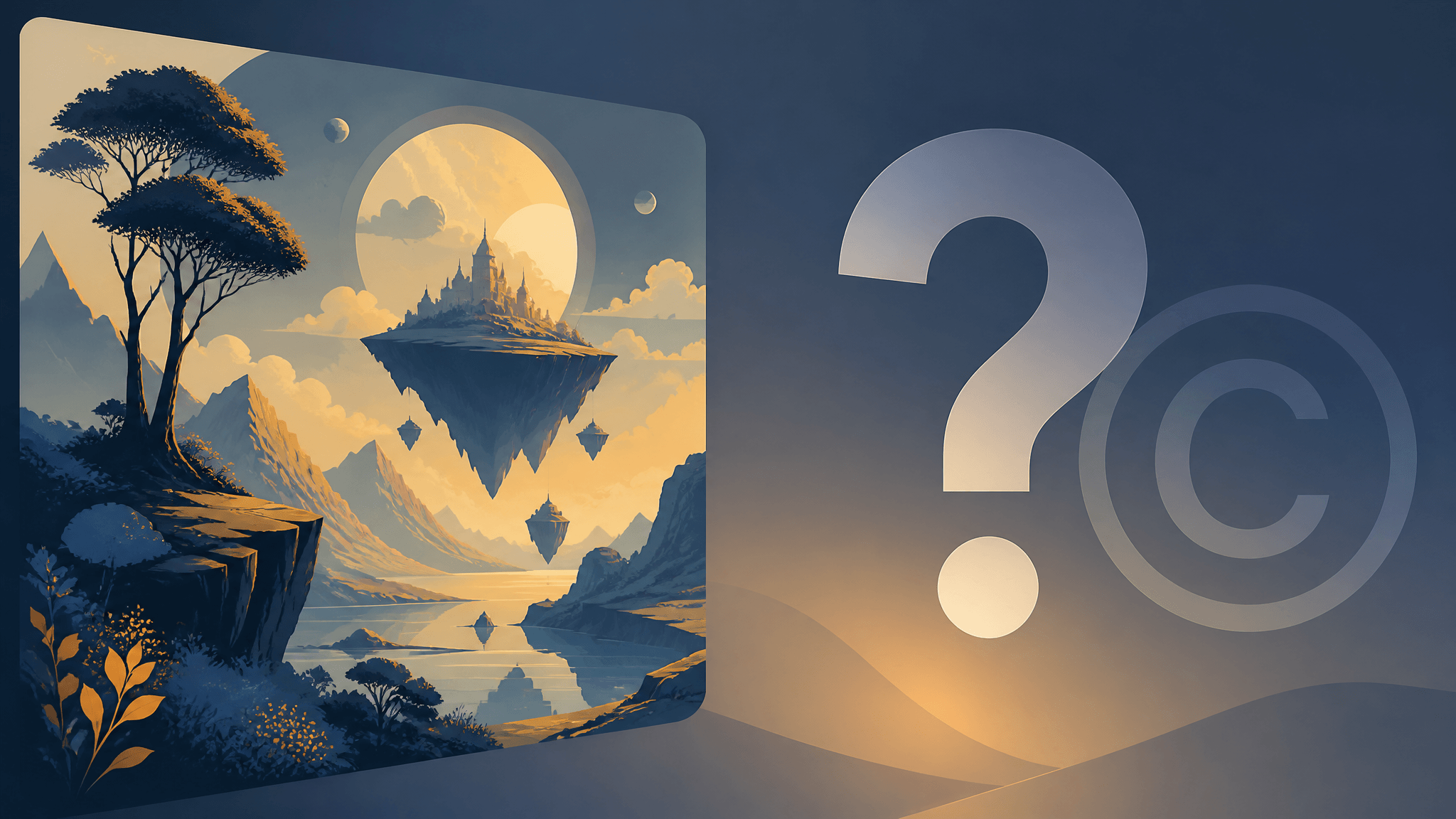
Short answer: if an image was generated entirely by AI, copyright law in the European Union currently does not protect it. Nobody owns a copyright in purely AI-generated content — not you, not the tool vendor. Nothing in that position makes selling illegal; the practical cost is exclusivity, not permission. You can use the image and sell it, but you cannot stop anyone else from copying it, because there is no exclusive right to enforce. That position was restated by the European Parliament in March 2026, applied by a Munich court in February 2026, and put bluntly by copyright scholar Daniel J. Gervais in an August 2026 interview that Hacker News surfaced this week.
This article explains what those developments actually say, what they mean for AI image creators who sell prints, mockups, or stock, how the United States and China compare, and what practical steps you can take today.
This article is informational and does not constitute legal advice. Copyright law varies by country and is changing quickly; check the rules that apply to you or ask a qualified professional.
Why the EU says purely AI-generated content has no copyright
European copyright law is built on a human-author requirement. Under settled case law of the Court of Justice of the European Union, a "work" must be an original subject matter that reflects the author's own intellectual creation, expressed in a way that is identifiable with sufficient precision and objectivity. A machine is not an author, so content that reflects only a machine's choices falls outside the concept.
The European Parliament restated this in its resolution of 10 March 2026 on copyright and generative artificial intelligence (P10_TA(2026)0066). The resolution insists that content fully generated by AI which does not meet the established criteria for copyright protection "should remain ineligible for copyright protection," and calls for the public-domain status of such outputs to be clearly determined. It also stresses the need to clearly label purely AI-generated content and asks the Commission to issue an EU code of practice on content labelling.
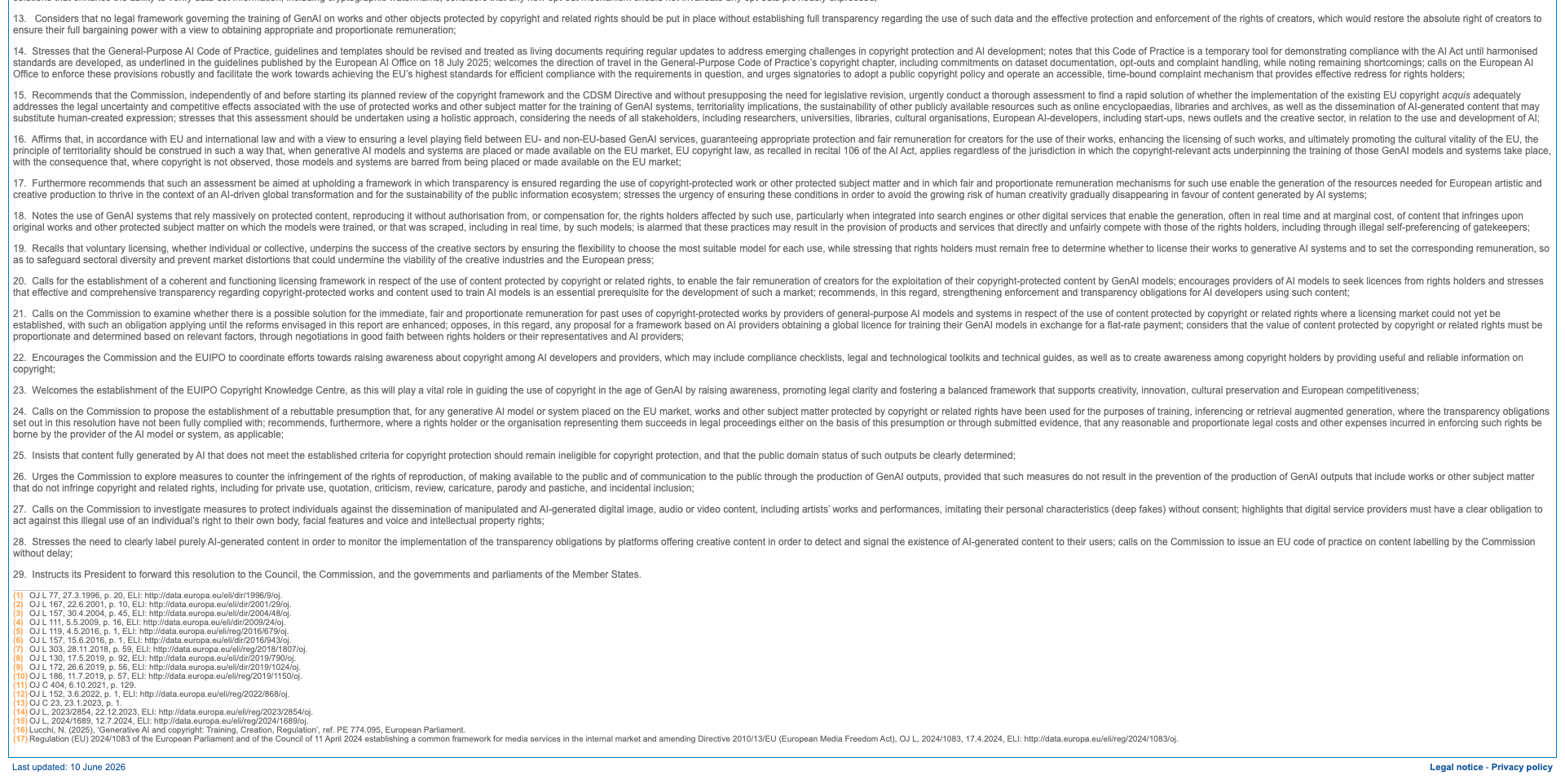
Source: European Parliament resolution P10_TA(2026)0066 (10 March 2026), accessed 23 August 2026.
The legal analysis predates the resolution. In his 2019 paper The Machine as Author, Daniel J. Gervais concluded that works which do not result from human creative choices belong in the public domain. In the EUobserver interview published 20 August 2026, Gervais walked through the consequences: if you publish an article written verbatim by Claude or ChatGPT, "nobody does" own the text; if you hand that AI-generated article to a publisher, there is nothing to transfer — "there's no right to transfer." His most useful line for creators: putting your name on AI-written content "doesn't give you copyright, but it does give you liability for the content."
That last point matters more than it sounds. Copyright is not the only legal relationship in play — accuracy, defamation, platform terms, and misrepresentation all still attach to what you publish, whether or not you hold a copyright.
The Munich court decision: prompts alone don't equal authorship
The most concrete 2026 application comes from Germany. On 13 February 2026, the Munich Local Court (Amtsgericht München, case 142 C 9786/25) denied copyright protection to three AI-generated logos. The plaintiff had created the logos with a text-to-image generative AI system — including a 1,700-character instruction for a single logo — and then sued a third party for using them without permission. The court dismissed the claim.
The reasoning is important because it draws the line that most AI image creators ask about. The court held that copyright protection requires the work to reflect the author's free creative decisions, and that the AI model must be "closer to a mere tool than to an independent instrument of creation." Under that test, neither extensive prompting nor selecting between several AI suggestions counts as a sufficient human creative contribution. The EUIPO, which summarizes the ruling, puts it this way: AI-generated images are protected only if the creative elements incorporated into the prompt dictate the output to such an extent that the work as a whole can be regarded as the author's own original creation reflecting their own free and creative choices.
Two nuances are worth keeping straight. First, the Munich ruling is a single German court decision; it binds the parties to that case, not every court in Europe. Second, there is no single "EU copyright law" — EU directives are implemented in national laws, and national courts apply them. The Munich decision is best read as one strong data point showing how the human-authorship doctrine is being applied to AI images, not as a Europe-wide statute change.
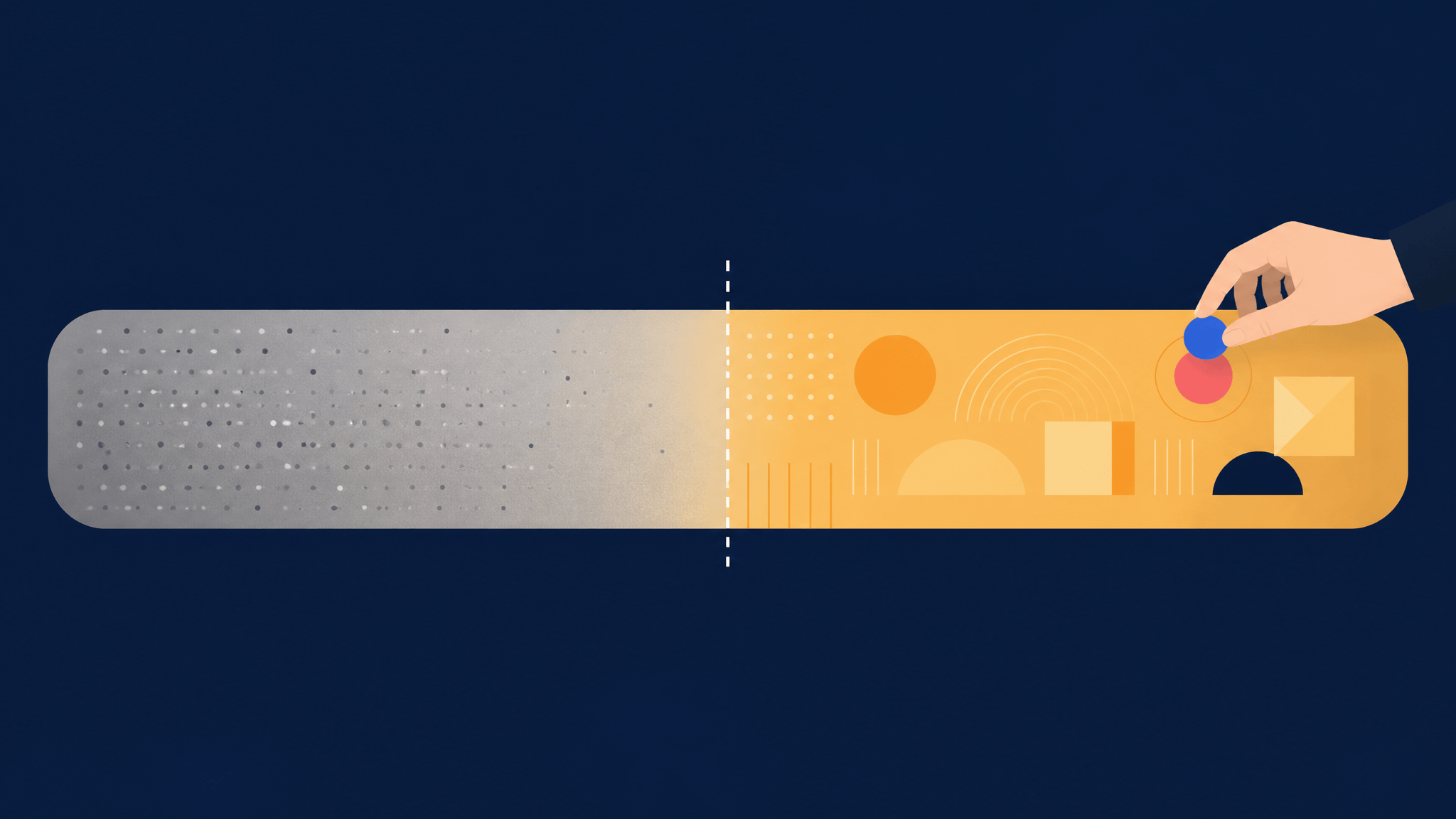
The dividing line in practice: the more the output follows the human's identifiable creative decisions — and the less the machine's randomness decides the result — the stronger the case for protection.
What this means for selling and using AI images
"Not protected by copyright" is not the same as "illegal to sell." Nothing in the EU position makes selling or licensing AI-generated images illegal; what you lose is exclusivity. Anyone else can copy and sell the same output, and you have no copyright claim to stop them. This is the trade-off Gervais flagged in the interview: for businesses, content generated purely by AI "can hardly be protected on an exclusive basis," which has real implications for brand building and content strategy.
A few practical consequences:
- Stock and marketplaces often require you to confirm you own or control the rights — check each platform's terms before uploading AI images.
- Selling doesn't require copyright in most EU jurisdictions, but advertising or licensing it as something you own may misrepresent your position.
- Labeling is becoming a compliance issue, separate from copyright. The EU AI Act's transparency obligations for AI-generated content are a live compliance expectation, and the 2026 European Parliament resolution pushes for clear labeling and an EU code of practice. Anthropic, for example, announced invisible watermarking of Claude output partly to meet those EU AI Act transparency commitments.
- Attribution is a liability, not a right. Publishing AI-generated content under your name makes you responsible for its accuracy and lawfulness — it does not create a copyright.
How the US and China compare
The EU is not the only jurisdiction drawing this line, and the three big markets differ in meaningful ways.
United States: human authorship is a bedrock requirement. The US Copyright Office's January 2025 report (Copyright and Artificial Intelligence, Part 2: Copyrightability) concludes that human authorship is required for copyright, and that generative AI outputs are protected only where a human author has determined sufficient expressive elements. Text prompts alone generally do not suffice — the office treats them more like instructions or ideas than controlled expression. In Thaler v. Perlmutter (D.C. Cir. 2025), the federal appeals court affirmed the refusal to register an artwork created entirely by an AI system with no human author. The US position is close to the EU's in substance: pure machine output, no protection. One important nuance: when a human edits, selects, arranges, or combines AI output with their own material, the human-authored parts can be protected — the US Copyright Office's Zarya of the Dawn decision is the standard example, where individual AI images stayed unprotected but the author's creative organization with original text qualified as a protectable contribution.
China: a case-based, more AI-assisted-friendly approach. In November 2023, the Beijing Internet Court issued China's first ruling on the copyrightability of an AI-generated image (case (2023)京0491民初11279号). The plaintiff generated an image using Stable Diffusion with carefully chosen prompts and parameters; the court held the image was a protectable artwork, because the prompt and parameter choices reflected the user's intellectual investment and personalized expression — and it ordered the defendant, who had republished the image after removing the watermark, to apologize and pay RMB 500 in compensation. The ruling is first-instance and case-based rather than statutory, but it signals a notably more open stance: in China, substantial human intellectual input through prompting can ground copyright in an AI-generated image, where the EU and US would generally require more.
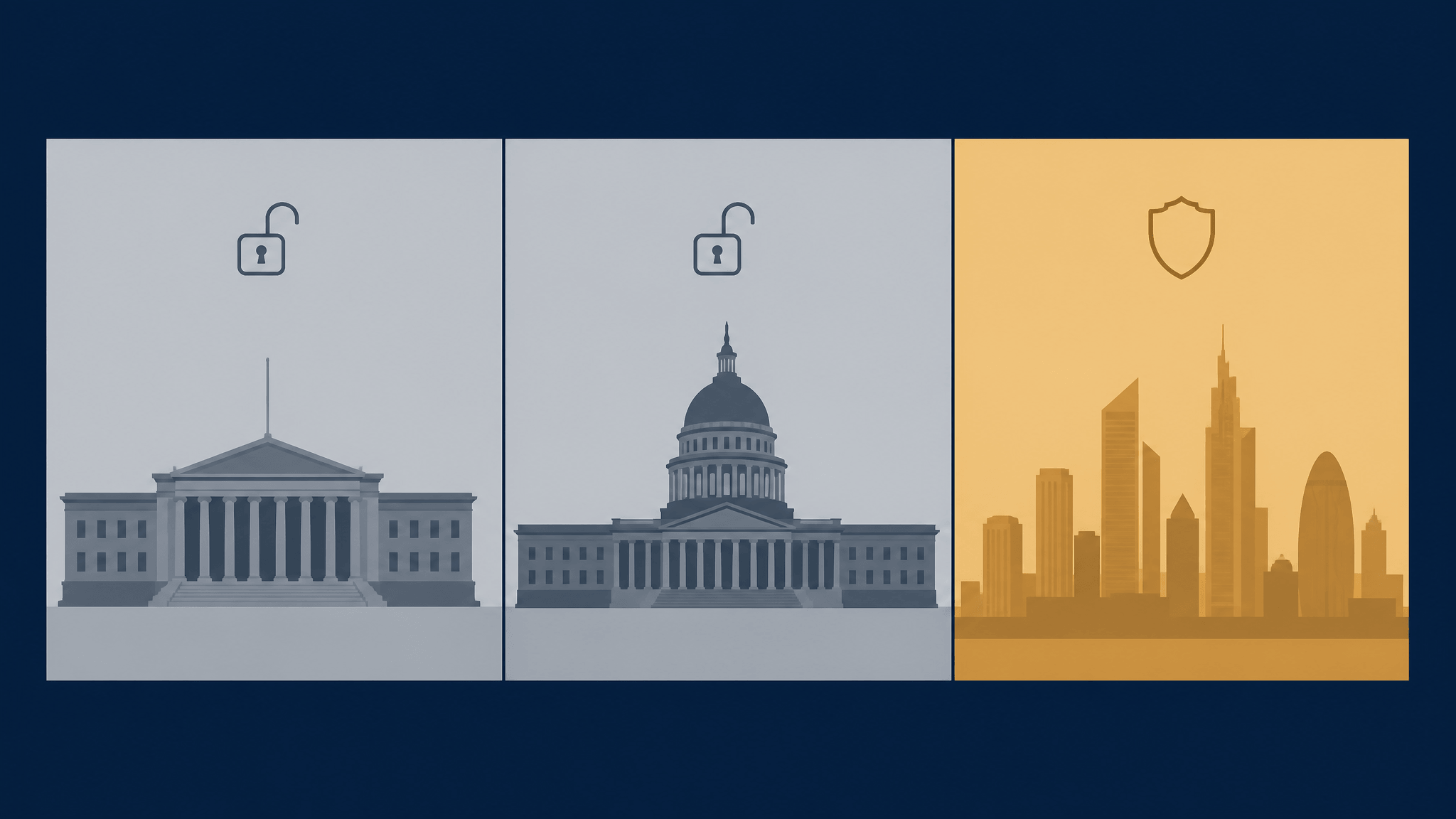
Where things stand at a glance: the EU and US treat purely AI-generated output as unprotected; China's courts have recognized protection where the user's prompt and parameter choices show substantial intellectual input.
A practical checklist for AI image creators
Whatever your jurisdiction, these steps reduce risk and preserve as much of your position as the law allows:
- Keep records of your creative process. Save prompts, parameter settings, iteration history, and any edits you make. If a dispute ever turns on whether your human contribution crossed the line, contemporaneous records are the evidence. If you generate in SketchTo, History keeps your owned image and video generations with download and share — a durable place to hold the outputs themselves while you keep prompt and settings notes alongside.
- Add real human creative contribution. Editing, compositing, arranging, adding original text or art direction — post-processing that shapes the final work strengthens the case for protection in the US and aligns with the "human creative choices" analysis in the EU.
- Know what your tools embed. Visible watermarks, invisible watermarks, and C2PA content credentials answer different questions; check the provider's documentation so you can disclose accurately.
- Read the marketplace terms. Before selling on stock or print platforms, confirm their AI-content and rights policies — many require a rights statement you may not be able to make.
- Label when required. EU AI Act transparency obligations and platform policies increasingly expect disclosure that content is AI-generated.
- Don't treat this as legal advice. Jurisdictions differ, cases are first-instance, and rules are evolving — the European Parliament's resolution explicitly asks the Commission to keep clarifying the rules.
The bottom line
In the EU today, purely AI-generated images carry no copyright, and the March 2026 European Parliament resolution plus the February 2026 Munich court decision both reinforce that position. Nothing in that position stops you using or selling such images — what you give up is exclusivity: anyone can copy them, and you have no copyright claim to stop it. The US draws a similar line around human authorship, while China's courts have been more willing to recognize protection for AI-assisted images based on the user's intellectual input. For creators, the practical takeaway is the same everywhere: the more identifiable human creative contribution you bring to the final work — and the better you document it — the stronger your position, whatever the next ruling says.
Last updated: August 2026. Legal information changes; verify current rules for your jurisdiction.
Transform Your Images with AI
Turn sketches into stunning images, remove backgrounds, swap faces, and more — all powered by AI.
Try Sketch To FreeShare
SketchTo Team
Tech writer covering AI tools, image processing, and creative workflows.
Related Articles
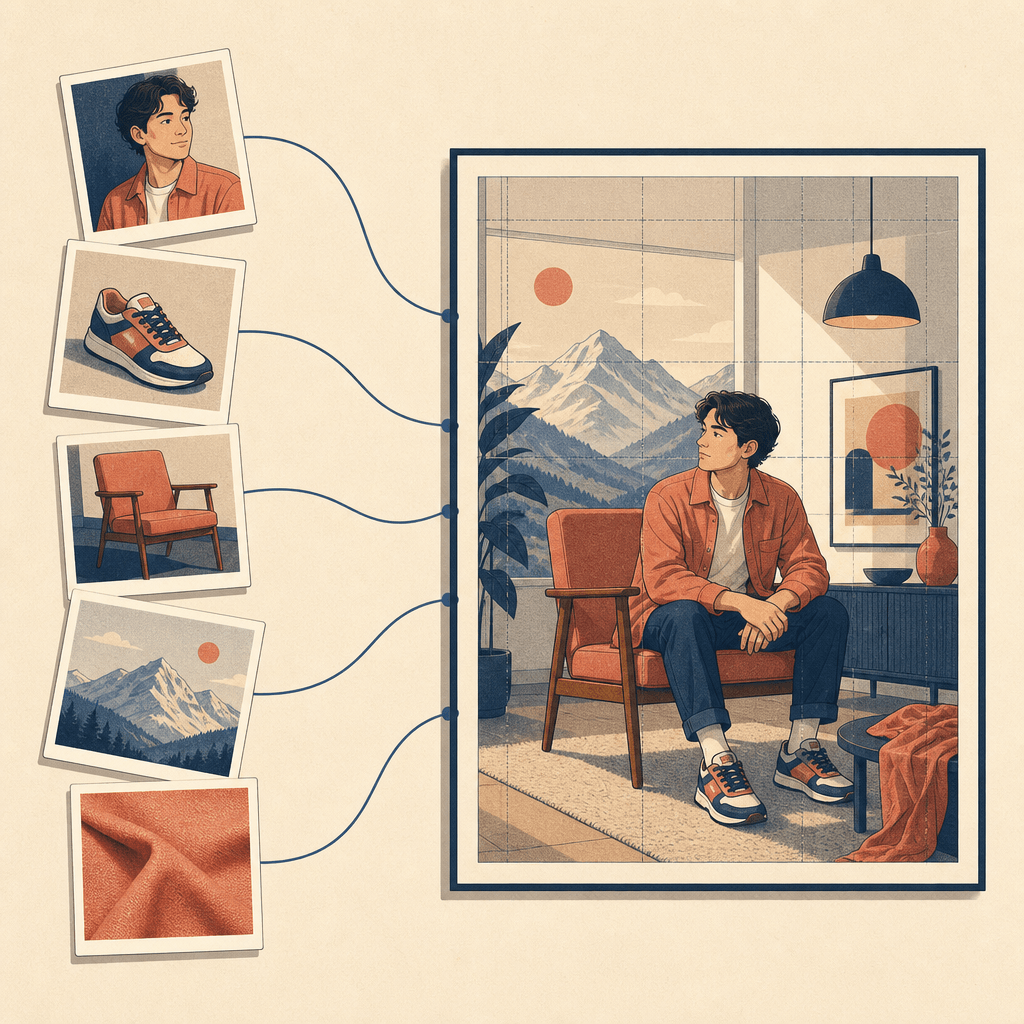
FLUX 3 Multi-Image Reference: How Up to 10 References Become One Scene
FLUX 3 Image accepts 1-10 reference images with one prompt. How the token and bounding-box workflow works, what's new vs FLUX.2, and what it costs per image.
Jitish Kallat: Wind Study (Hilbert Curve)
Explore Google Arts & Culture’s interactive "Wind Study (Hilbert Curve)" by Jitish Kallat—how wind data and math make the invisible visible.
The new ChatGPT Images is here
OpenAI rolls out the new ChatGPT Images and GPT Image 1.5: faster generation, precise edits, better text rendering, and a new creation space.